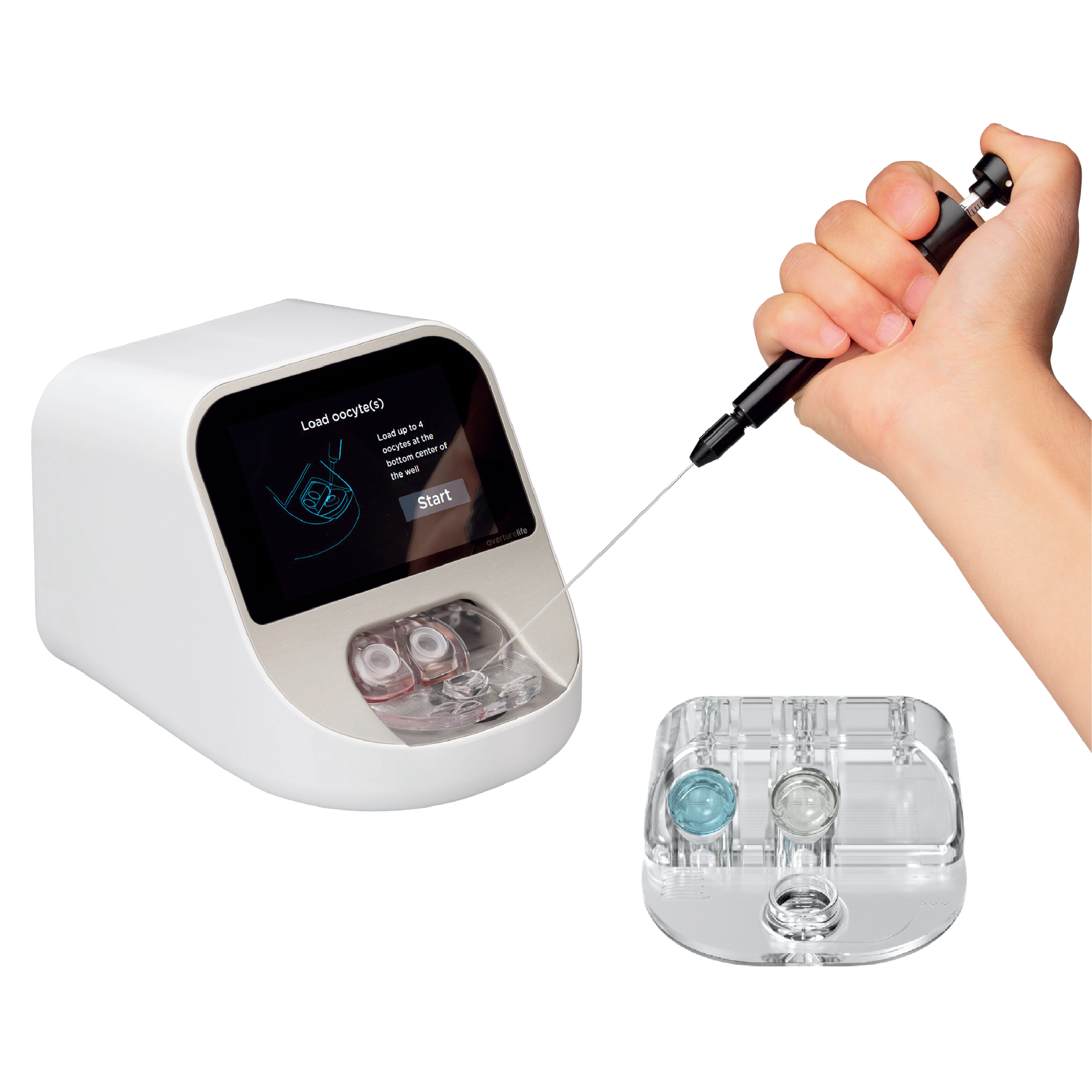
Vitrification is an advanced cryopreservation technique used in IVF to freeze eggs and embryos rapidly. Unlike slow freezing, vitrification prevents ice crystal formation, ensuring higher survival rates upon thawing. This method is widely used in assisted reproductive technology (ART) to enhance embryo viability for future implantation.
Vitrification enhances IVF success by preserving embryos and eggs with minimal damage. The rapid freezing process maintains cell integrity, resulting in higher post-thaw survival rates and improved implantation potential. Many fertility clinics prefer vitrification over traditional freezing due to its efficiency and reliability.
Yes, vitrification is considered very safe and has higher survival rates compared to slow freezing. The success of post-thaw implantation depends on lab quality, embryologist expertise, and the health of the eggs or embryos before freezing.
If you're still using manual vitrification, upgrading to an automated vitrification machine can significantly improve consistency, reduce errors, and enhance embryo survival rates. Automation ensures standardized freezing conditions, leading to better outcomes for your patients and higher success rates for your clinic.
With automation, you eliminate variability caused by human handling. Our vitrification machines:
• Maintain consistent cooling rates for optimal embryo survival.
• Reduce training time for embryologists.
• Lower the risk of contamination and handling errors.
• Increase overall efficiency and throughput in busy IVF labs.
Yes, whether you're a small fertility clinic or a large IVF hospital, automated vitrification can enhance your lab efficiency. If your team handles a high volume of embryos or oocytes, automation will help you streamline operations and reduce variability in freezing results.
Discover how Hana Health’s cutting-edge IVF solutions can transform your lab. Book a personalized demo with our experts.